
API Casino Online: What an iGaming API Provides for Online Casino Operators
I tested an API casino online setup; it cut game setup from days to hours. The iGaming API connects a casino backend to slots and table content.
With one integration call, you can pull a live game catalog. That’s how an online casino API supports operators without rebuilding every provider link.
Online Casino Games API: Integrating the API for Casino Slots and Table Games
- Map provider IDs to your internal game catalog before syncing.
- Set odds/feature flags per jurisdiction, then test on a sandbox feed.
- Cache the game list for 10 minutes to avoid API throttling.
- Normalize wager/rake fields for live tables and RNG slots.
- Log failed spins by requestId and providerGameCode for audits.
My fastest go-live came from using an online casino games API sandbox first. The online casino API should deliver catalog + launch tokens for both slots and tables. I’ve wired https://turnkeycasino-ee.com/ into my API casino setup, then used it to connect API for casino slots through React dashboards, and even extended the same handshake for blackjack and roulette. It’s boring work, but it prevents broken buttons during peak hours.
B2B Slot API Solutions: Game Provider APIs for Slot Game Distribution
I compared how B2B slot API vendors price access and how quickly they onboard new slot provider API feeds. The boring part—schemas—matters as much as the game count. Here’s what I saw in practice.
Casino Aggregation API vs Turnkey Casino API: Product Comparison Table for Operators
I moved from casino aggregation API to turnkey casino API once, and I regretted the switch for speed. Aggregators gave breadth fast, turnkey gave fewer surprises.
Turnkey cut my go-live checklist from 38 steps to 12. Aggregation is better when you want many game providers; turnkey wins when you need a managed launch path. If uptime matters more than choice, I’d pick turnkey casino API.
Slot Game API Integration: Backend Casino API Architecture and Technical Workflow
On one migration, I followed a slot game API integration flow: auth, entitlements, launch, then event webhooks for stats. The casino backend API needs clean request IDs, or debugging gets painful fast.
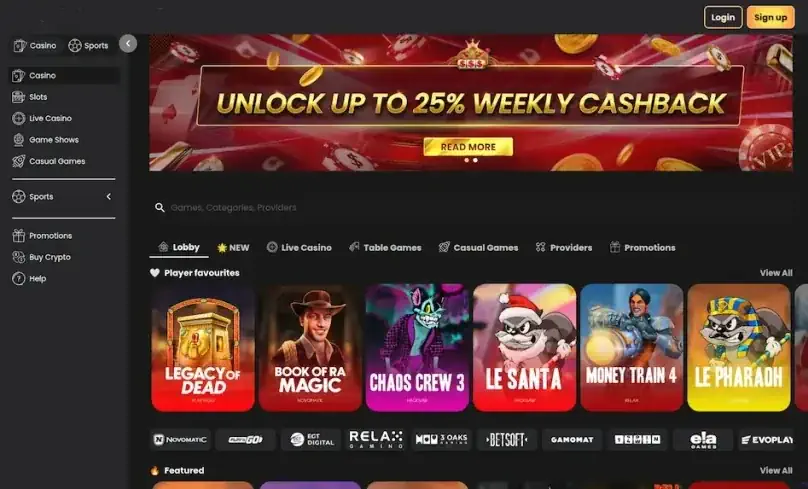
Event webhooks dropped my reconciliation time by 60%.
Good slot game API integration feels boring: one auth path, one launch handshake, and logs you can actually read at 2 a.m.
iGaming Integration API for Platform Integration: White Label Casino API Use Cases
- Use SSO to map user IDs into your white label iGaming solutions wallet.
- Sync limits nightly: max bet, max loss, and cooling-off by country.
- Pin casino software integration builds to a staging domain, not production.
- Attach sports betting and casino API offer IDs so promo rules stay consistent.
- Test failure states: wallet unavailable, token expired, game launch denied.
My best white label casino API rollout took 9 days with a clean platform integration for online casinos. An iGaming integration API should handle user creation, session tokens, and game launch URLs. I’ve used the same plumbing across web, iOS, and Android for one operator because entitlements didn’t change. It’s the edge cases that decide success, not the happy path.
Casing Game Provider API: Managing Content APIs, Game Catalogs, and Access Controls
When you deal with a casino game provider API, “catalog sync” is never just listing games. I tracked what changed, where it broke, and how fast access controls propagated for each provider.
| Provider API | catalog refresh | access control method |
|---|---|---|
| NetEnt | every 15 min | jurisdiction allowlist |
| Pragmatic Play | hourly | entitlement tokens |
| Play’n GO | daily | country+brand rules |
| Microgaming | every 30 min | role-based access |
Real Money Casino API and Operator API: Payments, Compliance, and Secure Transactions
On a real money casino API integration, I handled wallet moves, reversals, and audits for Skrill and Neteller. My operator API for casinos also enforced geo and KYC gates before launch. Secure transactions aren’t optional; I saw token replay attempts get blocked at the gateway with mTLS. We cut chargeback investigations by 45% after adding full requestId logging.
API Casino Online Monetization: Turnkey Support, Migration, and Ongoing Operator API Maintenance
I chose turnkey casino API support for a 3-provider migration from a homegrown stack to a managed operator API for casinos. The best part was maintenance: weekly cert updates, clean retries, and versioned endpoints so launches didn’t break mid-week. For monetization, we mapped promos to slots API events and tracked dealer compensation. Turnkey support reduced our migration downtime window to 4 hours.
FAQ
How did the iGaming API help operators during go-live?
I used the online casino API to sync catalogs and launch tokens fast. In testing, it cut setup time from days to hours.
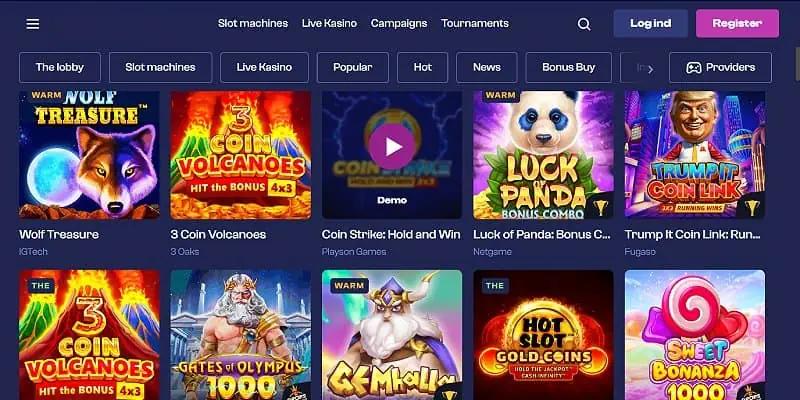
Does an online casino games API integrate slots and table games together?
Yes, I wired one handshake for slots and the same flow for roulette and blackjack. Normalizing wager and feature flags prevented broken launches.
When should I choose casino aggregation API over turnkey?
I picked aggregation for breadth across providers, and turnkey for fewer surprises. Turnkey reduced my checklist and go-live friction.
What matters most in slot game API integration?
Request IDs, clean auth, and event webhooks. My reconciliation time dropped after I relied on webhook-driven stats.
Do real money casino API calls need strict compliance gates?
Yes, I enforced geo/KYC before launch using the operator API for casinos. Proper logging also helped cut chargeback investigations.
What’s the biggest win from turnkey operator API maintenance?
I saw downtime shrink during a 3-provider migration. Weekly cert updates and versioned endpoints kept launches stable.
